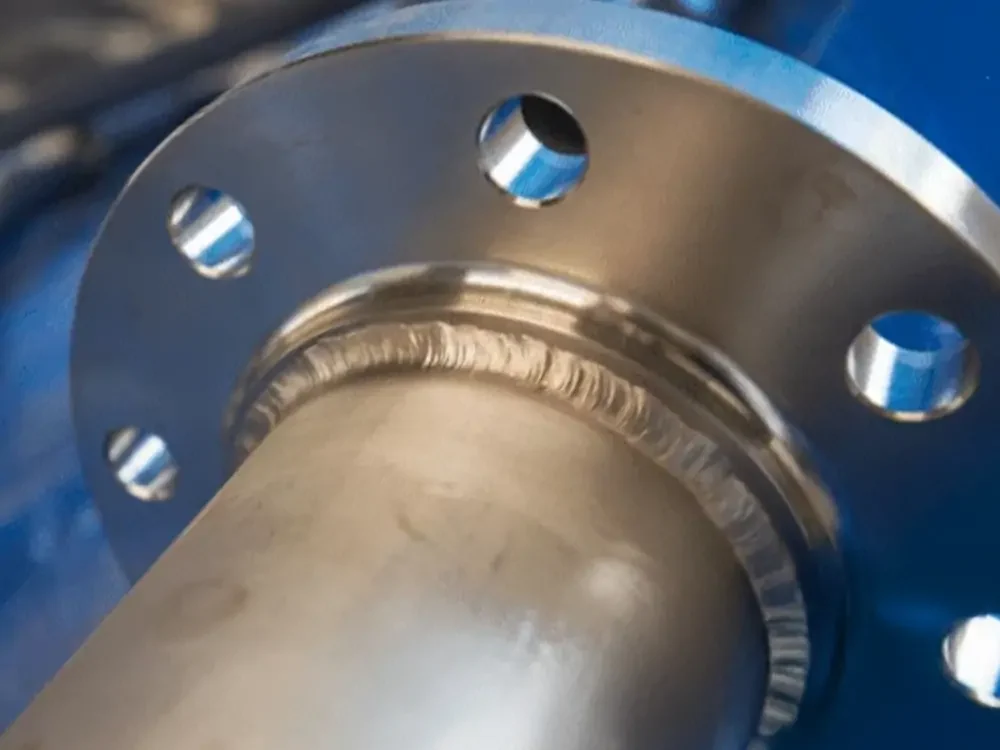
Custom Stainless Steel Sheet Metal Fabrication Service at RFS
Stainless steel possesses many excellent properties, making it a commonly used material in sheet metal fabrication. It is durable, easy to form and weld, and non-magnetic. Stainless steel sheet metal fabrication typically involves established processes such as laser, plasma, or waterjet cutting; CNC bending; and TIG or MIG welding. It is widely used in industries such as medical equipment, electrical enclosures, food processing, automotive, and industrial equipment.
Stainless steel is strong and stain-resistant, making it an ideal material for custom sheet metal fabrication parts. RFS specializes in custom stainless steel sheet metal fabrication for prototypes and small-batch production. We typically use 304/304L, 316L, and other stainless steel grades to fabricate your parts. RFS manufactures custom parts such as covers, guards, panels, fixtures, brackets, consoles, enclosures, and chassis. We support production runs from 1 prototype piece up to 5,000 pieces. All parts are fabricated in-house at our factory, ensuring on-time delivery.
Get A QuoteStainless Steel Sheet Metal Alloys
Stainless steel encompasses a variety of different metal grades. In practical applications, the 300 series alloys (austenitic stainless steel) are the most common stainless steel sheet materials.
Common stainless steel grades include:
301 Stainless Steel: Lower chromium and nickel; higher carbon content than 304. It offers a lower cost and is often used in structural steel components.
304 Stainless Steel: Thanks to its excellent formability and good corrosion resistance, 304 stainless steel is the most widely used for custom sheet metal fabrication. It is commonly found in products such as cabinets, enclosures, tanks, and heat exchangers.
316 Stainless Steel: This type of stainless steel contains molybdenum, which further improves its corrosion resistance. Common applications include highly corrosive environments like marine equipment, chemical containers, and reactors.

| Stainless Steel Grade | Tensile Strength (MPa) | Elongation at Break (%) | Hardness | Density (g/cm³) | Max Material Thickness (in) | Heat Treatable |
|---|---|---|---|---|---|---|
| 301 | 205 | 40 | 217 (Brinell) | 8.03 | 0.125 | Yes |
| 304 | 215 | 70 | 123 (Brinell) | 8 | 0.250 | Yes |
| 316 | 290 | 50 | 217 (Brinell) | 8 | 0.250 | Yes |
Different Stainless Steel Types for Sheet Metal Fabrication
Stainless steel is not a specific type of material; it’s a general term. Typically, stainless steel contains iron and at least 10.5% chromium. Different grades of stainless steel contain different proportions of alloying elements. From a mechanical property perspective, it can be divided into the following four grades:
1. Austenitic Stainless Steel
Austenitic stainless steel is the most widely used and the most common among various stainless steel materials. It contains 16-25% chromium and nickel. In addition, it sometimes contains dissolved nitrogen. Austenitic stainless steel is non-magnetic and exhibits good properties in terms of ductility, formability, and weldability.
2. Ferritic Stainless Steel
Unlike austenitic stainless steel, ferritic stainless steel is inherently magnetic. This magnetic stainless steel does not contain nickel and cannot be heat-treated. It possesses stable corrosion resistance and oxidation resistance, but its ductility, yield strength, and work hardening capacity are relatively low. Common ferritic stainless steel products include sinks and exhaust pipes.
3. Duplex Stainless Steel
Duplex stainless steel contains nickel, molybdenum, and more than 20% chromium. Duplex stainless steel combines the microstructures of ferritic and austenitic stainless steel, thus possessing superior corrosion resistance, good wear resistance, and relatively good weldability. Furthermore, it boasts a high energy-absorption capacity and mechanical strength. Its applications are wide-ranging, including bridges, water heaters, seawater systems, and storage tanks.
4. Martensitic Stainless Steel
Martensitic stainless steel has a relatively high carbon content, while its chromium content is typically between 12% and 18%. It can be heat-treated and hardened through forging and quenching. Supermartensitic stainless steel is a modern type of stainless steel with even better corrosion resistance and higher strength.
Benefits of Stainless Steel Sheet Metal Fabrication
- Corrosion resistance
- Formability and machinability
- High strength and durability
- Attractive surface gloss and appearance retention
- Good high-temperature resistance
- Easy to weld and connect
- Recyclable and environmentally friendly
- Impact and wear-resistant
- Good dimensional stability

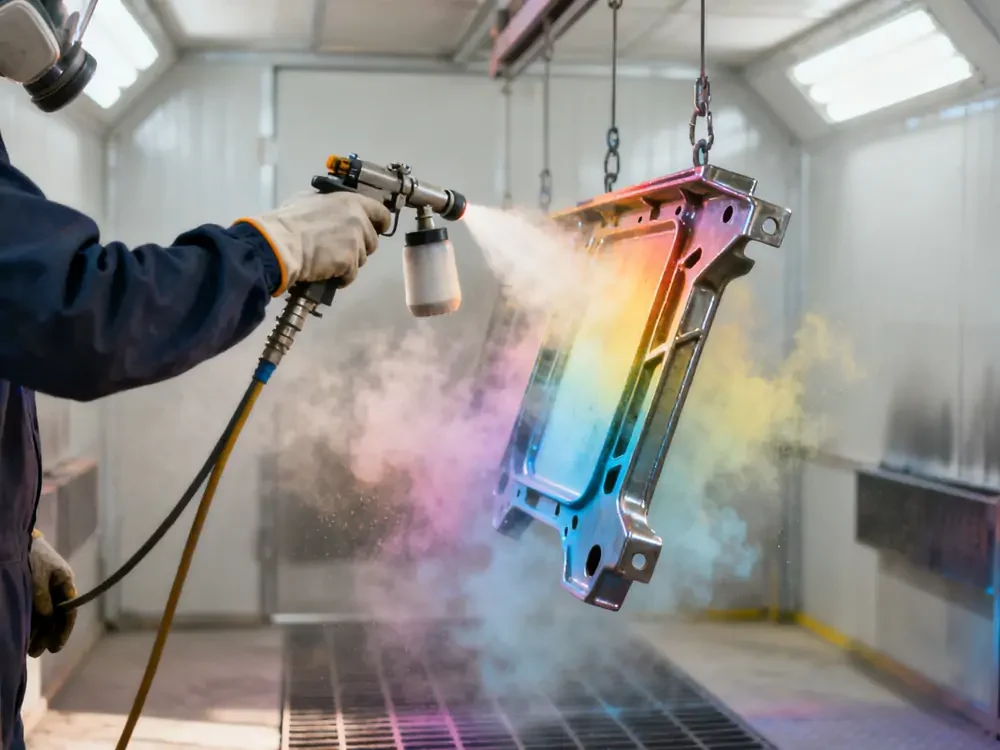
Finishing Options for Your Custom Stainless Steel Parts
- Brushed finish
- Mirror polished finish
- Sandblasting
- Electropolishing
- Passivation treatment
- Powder coating / Painting
- PVD coating
- Anodizing (stainless steel coloring)
- Etching
Key Applications
- Kitchen equipment
- Medical devices
- Food processing equipments
- Chemical equipment housings and pipe protection covers
- Aircraft Components
- Architectural decoration
- Electrical cabinets and control box housings
- Automotive parts
- Ship and marine equipment components
- Air conditioning and ventilation system components