
Aluminum is one of the most valuable and widely used metals in the world due to its strength and light weight. However, in many cases, aluminum must look attractive besides other qualities. That’s where anodized aluminum colors come into the scene. Anodizing is a special process that not only protects the aluminum but also gives it beautiful, long-lasting colors.
You can find colored anodized aluminum in buildings, home décor, electronics, cars, and furniture. However, not all anodized colors are the same, and this is where beginners might get confused. If you are also new to anodized aluminum colors, worry not! In this guide, I will discuss some of the most common anodized colors, how they are created, and how you can choose the right one for your needs. So let’s get started.
What Is Anodized Aluminum?

Anodized aluminum is aluminum that has gone through a special finishing process called anodizing. During this process, a protective oxide layer forms on the metal surface using electricity. This layer becomes part of the aluminum, not just sitting on the top of the surface like paint. Now, with this layer, aluminum becomes more resistant to corrosion, daily wear, and scratches.
So basically, anodizing enhances many of aluminum’s qualities. First, it makes aluminum more durable and long-lasting by creating a protective layer. How? Aluminum is first thoroughly cleaned and placed in a tank filled with an acidic solution, usually sulfuric acid. After that, an electric current is passed through this solution.
Here, the aluminum acts as the anode (positive electrode), which is why the process is called anodizing. The electricity reacts with the aluminum anode, forming a hard aluminum oxide layer on its surface. This layer is now a permanent part of the aluminum and does not fade away easily. It protects the aluminum from harsh outdoor conditions, such as humidity and corrosion. Secondly, anodizing also makes the aluminum attractive by absorbing different colors.
How Does Aluminum Get Its Color During Anodizing?
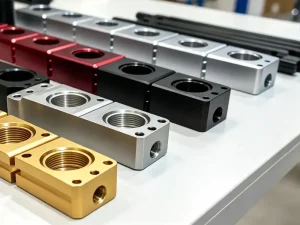
Now you understand what anodized aluminum is and how the process works. Right? Next comes how the aluminum actually gets different colors during this anodizing. It is very simple. First, remember that aluminum takes on its color only after a protective oxide layer has formed on its surface.
Once the protective layer forms, it has several tiny pores that are not sealed yet. These pores absorb dyes or other coloring materials, allowing the aluminum to take on different colors. Without this oxide layer, the color would not stay on the aluminum properly. So, after anodizing, the required colors are applied to this anodized aluminum.
Its pores quickly absorb those colors. After that, the aluminum goes through a sealing process. During sealing, the tiny pores close and trap the color inside the oxide layer. It means the anodized aluminum colors become part of the surface and do not peel off easily. However, the final color will depend on the coloring method you use, the aluminum thickness, and the dye’s quality.
Anodized Aluminum Colors Chart: What Colors Are Actually Available
You have a basic idea of how the anodized aluminum colors are achieved, right? Interestingly, anodized aluminum is available in many attractive colors. These colors are created during the anodizing process and become part of the aluminum surface. So before you choose any color for your project, here is the range of anodized aluminum colors in the table.
| Anodized Aluminum Color | Appearance |
| Clear (Natural Silver) | Bright, clean metallic silver with a natural finish |
| Black | Deep black with a modern metallic look |
| Bronze | Warm brown shades ranging from light to dark |
| Gold | Rich metallic gold |
| Champagne | Soft light gold with a smooth, premium look |
| Gray | Neutral metallic gray |
| Blue | Bright or dark metallic blue |
| Red | Bold metallic red with a vibrant finish |
| Green | Fresh metallic green with a decorative look |
| Custom Colors | Special shades made to match specific design needs |
-
Colors That Are Stable in Production
Some anodized aluminum colors are easier to produce and give consistent results every time. So, you don’t have to worry about color variation from one batch to another. These colors include clear (natural silver), black, bronze, and gold. These colors are also highly durable and last longer even in harsh outdoor conditions.
-
Colors That Are Achievable but May Vary
Some colors, such as blue, red, green, gray, and champagne, can be produced successfully. But one problem with these colors is that they change slightly between production batches. These changes occur due to the anodizing process, dye quality, or sealing method.
-
Colors That Are Difficult to Control
Very bright, light, or unusual colors are more difficult to produce consistently. Why? Because these colors are sensitive to changes in the anodizing process. Therefore, they might fade faster when exposed to strong sunlight or harsh weather. For this reason, manufacturers often recommend testing samples first.
How Anodized Colors Are Created: Some Common Aluminum Coloring Methods
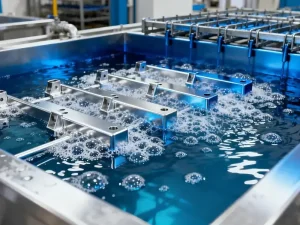
Remember, there is no single method for coloring anodized aluminum. Instead, it can be colored in different ways, and each method creates a different level of durability and final look. So let’s dive in and discuss the most common method that is used to color anodized aluminum.
1- Dye Anodizing
The first most common method for coloring anodized aluminum is dye anodizing. Usually, the aluminum first undergoes anodizing, which creates a protective oxide layer on its surface. This layer contains tiny pores. Now, this anodized aluminum is dipped into a dye solution, and its tiny pores absorb the color. Once the aluminum has reached the desired color, it is placed in hot water or a special sealing solution. This sealing step closes the tiny pores and locks the color inside the oxide layer. Dye anodizing can produce a range of colors, including black, blue, red, green, gold, and custom shades.
2- Electrolytic Coloring
The second method is electrolytic, which adds color to anodized aluminum by using electricity and metal salts. How? After the aluminum has been anodized, it is placed in another special solution that contains metal salts. These metal salts are generally tin or nickel. An electric current is then passed through this solution. This current helps tiny metal particles settle inside the small pores of the anodized layer. These metal particles create the final color. But electrolytic coloring does not create bright colors. It creates natural metallic shades such as black, bronze, gray, and champagne.
3- Integral Coloring
Integral coloring is different from all other methods. Here, the colors are created during the anodizing process itself, not afterward. In simple words, the color and the protective layer are made at the same time. There is no need to dip anodized aluminum in separate baths for coloring. In this method, the aluminum is placed in a special anodizing solution. This solution and the electrical settings are carefully controlled to produce color as the oxide layer grows. This means that, along with the protective layer, colors also develop at the same time.
4- Interference Coloring
Interference coloring is a more advanced method of coloring anodized aluminum. What makes it special is that it does not mainly rely on colored dyes. Instead, it changes the structure and thickness of the anodized oxide layer. This causes light to reflect from the surface in different ways. As light hits the aluminum, different wavelengths are reflected. As a result, the surface will show different colors. Interference coloring is mainly used to produce premium decorative finishes. Those include shades such as blue, green, bronze, gray, and other metallic tones.
Do Anodized Aluminum Colors Vary in Production? If Yes, Why?
Yes, anodized aluminum colors can vary slightly from one production batch to another. This means that if two aluminum products are made at different times, their color might not look 100% identical. For example, one black anodized aluminum part may look a little darker or lighter than another. There are several reasons why it happens.
- The first one is the type of aluminum alloy that causes color variation in production. As you know, not all aluminum alloys are the same. Different aluminum alloys contain different amounts of elements such as magnesium or copper. Their compositions affect how the aluminum reacts during anodizing and its color absorption.
- Secondly, the thickness of the oxide layer formed during anodizing affects the color from batch to batch. If this layer is thicker, it will hold more dye or metal particles. As a result, the color will look deeper and darker. On the flip side, if the layer is thinner, the color will appear lighter.
- The temperature of the anodizing and dye baths also affects the color during production. If the solution is warmer or cooler than expected, the aluminum will absorb the color differently. It means the final color will be brighter or darker than expected.
- The duration the aluminum spends in the anodizing and coloring solutions is critical. If you leave the anodized aluminum exposed for longer, it may develop more color and turn a darker shade. If you remove it too early, the color will look lighter.
- In some coloring methods, electricity is used to create the anodized layer. Now, if the electric current changes, even slightly, the oxide layer will not form in the same way. As a result, there will be a slight difference in shade between the first and second batches.
Does Part Geometry Affect Anodized Aluminum Color?
YES! The part geometry can highly affect the anodized aluminum color. Part geometry means the shape, size, thickness, and design of the aluminum part. All these factors affect the anodized aluminum color in different ways. For example, if a part is flat and simple, the color will usually be more even.
But if it has sharp corners, deep holes, curved areas, or raised edges, those areas will not receive equal color shades during anodizing. Because of this, some spots might look slightly darker or lighter than others. Similarly, thin sections and thick sections do not always react to the anodizing process in the same way.
The thick part might appear darker, while the thin section appears lighter. Lastly, the size of the part matters. Small parts are usually easier to anodize evenly and receive even colors. However, large parts can be harder to process. The electricity and the chemical solution may not reach every area. For these reasons, manufacturers carefully adjust the anodizing process for different geometries.
How to Choose the Right Anodized Aluminum Color
As you can see, there is a wide variety of anodized aluminum colors. All of those colors fit different needs. So it can be confusing for anyone to decide which color exactly matches their needs. To help you make the right decision, here are some factors that you must keep in mind.
- Application: The very first thing you must consider is how and where the aluminum will be used. For example, if you need anodized aluminum for window frames, building exteriors, black, bronze, gray, or natural silver are best. However, for products such as home décor, electronics, signs, and decorative items, you should choose brighter colors.
- Indoor or Outdoor Use: The location of the aluminum is also very important. If used outdoors, it will be exposed to sunlight, rain, heat, and changing weather conditions. In these cases, you should go for darker metallic colors such as black, bronze, or gray. But if the aluminum will only be used indoors, you have more freedom to choose from a wider range of colors.
- Overall Design: The anodized color should also align with the product’s or building’s overall style. For example, black and gray often suit modern designs. Similarly, for a traditional style, you can opt for bronze, and for an elegant, premium look, gold or champagne are best.
- Color Durability: Not all anodized colors perform the same over time. So if your priority is durability, you should choose metallic shades such as natural silver, black, and bronze. These colors naturally last longer and resist environmental changes.
- Color Samples: Lastly, before you place a large order, it is a good idea to ask the manufacturer for color samples. These samples will allow you to check the actual shade, metallic finish, and appearance before production begins.
Frequently Asked Questions
Do anodized aluminum colors fade over time?
Yes, some colors can fade after many years of exposure to strong sunlight and harsh weather. Most of the time, high-quality anodized colors, like metallic colors such as black and bronze, resist fading.
Can anodized aluminum be painted later?
Yes, anodized aluminum can be painted if its anodized color fades away. But before that, you must thoroughly clean the surface so that the paint sticks well to the anodized aluminum.
Can anodized aluminum be customized in different colors?
Yes, many manufacturers offer custom anodized colors to match specific design or branding needs. This customization helps many businesses meet specific needs quickly.
Conclusion
Anodizing is one of the most popular methods to create an oxide layer on aluminum. However, in addition to durability, this process enhances the overall appearance of the aluminum. During this process, aluminum is placed in an acidic solution bath, and an electric current is passed through it. This current creates an oxide layer. But after anodizing, the aluminum has tiny pores.
These pores hold the color very well. So when anodized aluminum is dyed with a different color, the coating becomes a permanent part of the aluminum. But anodized aluminum colors are not all the same; they come in the range I have discussed in this guide. Among those colors, choosing the right one is very important. For this, you must consider factors such as application, environment, durability, and overall design.