
Copper is a popular material, especially in the electronics sector. However, this material is somewhat weak and soft, which compromises its strength. As a result, manufacturers add various elements to improve their properties. This gives rise to additional alloys such as brass and bronze. These two alloy elements differ, sparking debate over brass vs bronze.
Both brass and bronze are copper-based alloys, with copper as their central element. However, brass is made with zinc along with copper, whereas bronze is made with tin. These additional alloying elements give each one unique properties that you don’t get with pure copper. In this article, I’ll explain the fundamental differences between brass and bronze. So, let’s get started!
Overview of Brass & Bronze

Before we discuss the differences between bronze and brass, let’s first learn the basics of these materials.
Brass and bronze are alloys that commonly contain 70% and 85% copper, respectively. Brass consists of zinc (30 to 40%), whereas bronze includes 10 to 15% of tin. Bronze can also contain small amounts of other elements such as phosphorus or aluminum. The properties of these copper-based alloys vary with the proportion of zinc in brass and tin in bronze. However, both of them are stronger and superior to pure copper.
Bronze is one of the oldest materials and has been used for over a thousand years. However, brass is relatively new compared to bronze. Brass has further subtypes based on the proportion of zinc. The list of those types is as follows:
- Red Brass (Cu 85–90% – Zn 5–10%)
- Naval Brass (Cu 59–62% – Zn 37–40%)
- Alpha Brass (Cu 65–70% – Zn 30–35%)
- Yellow Brass (Cu 60–65% – Zn 35–40%)
- Cartridge Brass (Cu 70% – Zn ~30%)
- Alpha-Beta Brass (Cu 55–65% – Zn 35–45%)
The zinc content of these brass types varies. Those types with higher zinc are generally stronger and more brittle than those with lower zinc content. Similarly, bronze also has several types based on the proportion of tin. Those bronzes with higher tin would be harder. Here is the list of common bronze types with their chemical composition:
- Tin Bronze (Cu 88–92% – Sn 8–12%)
- Nickel Bronze (Cu 88–95% – Ni 2–8%)
- Silicon Bronze (Cu 95–97% – Si 1–4%)
- Phosphor Bronze (Cu 88–92% – Sn 5–10% – P 0.1–0.35%)
- Manganese Bronze (Cu 55–65% – Zn 20–35% – Mn 1–5%)
It is noteworthy that bronze is composed of tin, copper, and other elements. The proportion of these additional alloying elements affects the properties of bronze types. For example, phosphor bronze contains around 0.35% phosphorus, which makes it harder. Similarly, aluminum bronze has a small amount of aluminum, which gives it its distinctive properties.
Differences Between Brass and Bronze
Differences in composition between these two copper-based alloys impart unique properties. As a result, the use cases of brass and bronze differ. Let’s explore the key differences between these copper-based alloys and determine which is best suited to your use case.
1- Appearance & Aesthetics

Brass and bronze have distinct physical appearances. Brass is typically yellowish in color and looks like gold. This yellowish color gives it a beautiful aesthetic appeal. Manufacturers generally use brass to make decorative products because it resembles gold.
On the other hand, bronze isn’t yellowish—it leans more toward a dark reddish color. Since bronze is about 85% copper, its shade is quite similar to copper (a reddish brown). Keep in mind, this bronze doesn’t shine and has a rather dull appearance, which makes it less visually appealing. If you’re looking for better visual appeal, choose brass over bronze for its shine.
2- Corrosion Resistance & Durability
Brass is a better option for corrosion or rust resistance. The credit for better corrosion resistance goes to the presence of around 30% of zinc in brass. Brass consists of copper, which forms a patina layer on the surface. Zinc provides strength and stability and protects this patina layer. However, brass can undergo dezincification, which is a significant drawback. During this, zinc gets leached out, so the patina layer receives no protection.
As a result, brass can become prone to corrosion. On the other hand, bronze also contains copper, which forms a patina layer. However, this patina layer deteriorates over time. Since bronze doesn’t contain zinc, which would help protect that patina layer. However, phosphor-bronze and aluminum bronze types are excellent in terms of corrosion resistance. Their phosphorus and aluminum strengthen patina, making them excellent for corrosion resistance.
3- Strength & Toughness
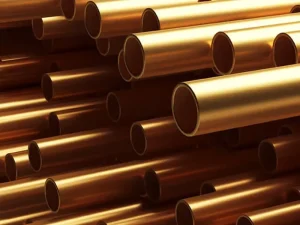
Both bronze and brass offer optimal strength and toughness. However, bronze is stronger and tougher if compared critically. Remember, brass is an alloy of copper and zinc. These two elements are not very robust: in fact, copper is softer. As a result, brass becomes softer, more flexible, and less strong. Use this material for medium-duty applications.
This material may fail under harsh loads. On the other hand, bronze is very robust and stronger due to its chemical composition. This material contains a small amount of phosphorus or aluminum along with copper and tin. These additional elements are robust and strengthen bronze. As a result, bronze can withstand extreme loads and heavy-duty applications with ease.
4- Wear Resistance & Hardness
Wear resistance is a crucial factor to consider when choosing between brass and bronze. A material with better wear resistance generally lasts longer. Brass is a bit softer than bronze. Why? That’s mainly because of the alloy’s high copper content. So, when it is less soft, it is prone to scratches, rubbing, and friction.
You’ll see wear if this material is rubbed or scratched. On the other hand, bronze is a very stable material due to its phosphorus or aluminum. These additional elements make bronze hard and wear-resistant. As a result, this material is typically used to make parts that experience continuous friction, such as bearings and bushings.
5- Malleability & Ductility
Malleability and ductility are directly linked with hardness and strength. This property of a material indicates how easily a material can be deformed or shaped. As I said earlier, brass is less hard than bronze.
Due to its soft nature, this material can be easily shaped. Additionally, brass is more ductile due to its flexibility. Conversely, bronze is a very robust and rigid material. Its strength, toughness, and hardness are high, which affect its malleability and ductility. Shaping or bending bronze is very difficult, which can be a drawback if you need better malleability.
Quick Note: Due to better ductility, machining brass material is very easy and less time-consuming. The cutting tools can cut, drill, and work on this material efficiently. On the flip side, bronze is stiff and rigid, so its machining is more difficult. The cutting tools have to put more force to cut these materials. This can result in overheating and the wear and tear of the cutting tools.
6- Identification Through Sound & Weight
There are two simple ways to identify both brass and bronze. The first is how a material produces sound when struck and how heavy it is. Brass is a very lightweight material that produces a smooth, lighter, brighter sound when struck. This sound is more like ringing and feels good to the mind.
On the other hand, bronze is a heavy-duty material and weighs more than brass. If you hit a bronze object, it will produce a heavier, deeper sound. This sound is unpleasant and can be irritating to people sensitive to low-frequency sounds. Because of its better sound, brass is typically used to make musical instruments on a large scale.
7- Cost Difference & Applications
Brass and bronze differ in terms of cost and affordability. As mentioned above, brass is a mixture of copper and zinc. The price of zinc is very low, making brass production cheaper. Additionally, this copper-based alloy is readily available in the market. On the other hand, bronze is very expensive because it contains tin and copper.
Unlike zinc, tin is rare and costly, which makes the production of bronze a bit more expensive. Brass is typically preferred for decorative or musical items. On the other hand, bronze is more robust and is used in making heavy-duty parts such as bushings, gears, hardware, and more. Here’s the table showing the application comparison of brass and bronze:
| Brass Applications | Bronze Applications |
| Plumbing fittings & valves | Bearings & bushings |
| Decorative items & ornaments | Gears & mechanical parts |
| Musical instruments | Marine hardware & ship components |
| Electrical connectors | Heavy machinery parts |
| Coins & medals | Sculptures & statues |
Frequently Asked Questions
Which is better: bronze or brass?
Both bronze and brass are better, but in different ways. Bronze is stronger, more durable, and highly wear-resistant. However, brass is more visually appealing and resists corrosion better. Additionally, brass is lightweight and low-priced, which is also a pro.
Is bronze or brass more expensive?
Bronze is more expensive because it contains tin. The tin is rare and very costly, which makes the bronze expensive. However, you get better strength and toughness when choosing bronze.
How can you tell if it’s bronze or brass?
You can hit something on these materials to identify. If the material produces a bright, ringing sound, it is brass. However, if the sound you hear is deeper and heavier, it indicates the material is bronze. Additionally, brass is lightweight, which can be another tip for identification.
Why did people stop using bronze?
The use of bronze is becoming less common with time. That’s because bronze consists of tin, which is rare. So, producing bronze is more difficult, and the scarcity of tin increases the cost of these materials. Brass is readily available at a low price, which attracts users.
Conclusion: Which One Should You Choose, Brass or Bronze?
As mentioned earlier, both of these copper-based alloys offer unique value propositions. Neither can be declared the best while the other is the inferior choice. In fact, both are excellent, and your selection should be based on your needs. You should choose brass if you want a lightweight and affordable material. On the other hand, bronze is an excellent option when you need to make a strong product. However, the cost of bronze is a drawback for many customers. In short, you must understand what you need before deciding between brass and bronze.