
Pure aluminum is relatively soft and weak, limiting its load-bearing capacity. So, manufacturers add various alloying elements to strengthen it. 6061 is also an aluminum alloy consisting of magnesium and silicon. However, there are different types of these alloys. Their differences spark a debate on aluminum 6061 T6 vs T651 vs T6511.
These alloys offer unique properties and are used in various applications. The key difference between these alloys lies in their heat treatments. Aluminum 6061-T6 is considered the most basic and very affordable, while 6061-T6511 is more premium. In this article, I will discuss the key differences among these three 6061 aluminum grades. So, let’s get started!
Basics of Aluminum 6061 T6, T651, and T6511
First things first – each of these 6061 grades consists of one common alphabet “T” in their numbers. It refers to the heat treatment of these aluminum alloys.
The ‘T’ stands for Temper Designation. In simple words, it indicates how an aluminum alloy is heat-treated. These alloys undergo different heat treatments, imparting unique properties. T6 means the alloy is only heated and aged. On the other hand, T651 indicates that the alloy is heated, aged, and also straightened. This straightening removes the internal stress.
Interestingly, the temper designation consists of numbers. Each of these numbers indicates a specific meaning. Here is their breakdown:
T = Heating of material
6 = aging (this material is aged)
51 = stress removed (material passed through stretching)
1 = Straightened for shape
As I said earlier, 6061 is relatively stronger than pure aluminum. Why? Because it consists of some proportion of silicon and magnesium. It still undergoes different heat treatments, which increase its overall quality. Each type of heat treatment imparts unique properties to these aluminum alloys. In the section below, I will discuss the treatments the 6061 aluminum alloy undergoes.
What is Aluminum 6061 – T6?

Aluminum 6061-T6 is an alloy that is heat-treated and undergoes aging. First, alloy 6061 is heated at a relatively high temperature of around 530 degrees Celsius. This step is also known as solution heat treatment. The purpose of this heating is to dissolve all the elements present in 6061 aluminum. Once done, the aluminum alloys are quenched in water.
This quenching is done at room temperature and ensures that the alloy elements are perfectly bonded. After quenching, the final step is aging of the aluminum alloy. The primary purpose of the process is to increase the hardness of this aluminum alloy. During aging, aluminum 6061 is heated to a low temperature of around 160–180°C.
This aging process continues for a few hours, allowing the alloy to achieve excellent strength. After this step, aluminum is called 6061-T6. Simply put, T6 indicates 6061 aluminum alloy with heat treatments (and aging). During heating and quenching, internal stresses are produced. Aluminum 6061 alloy contains internal stress that is not removed.
What is Aluminum 6061 – T651?
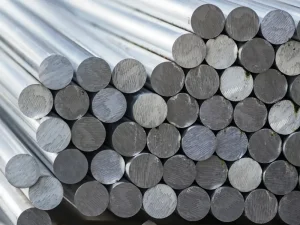
Aluminum 6061-T651 is a superior option to T6. The reason is that its heat treatments include one additional step. First, 6061 aluminum alloy is heated to high temperatures. This step is common in both T6 and T651 alloys. After heating, the alloy is cooled by water quenching.
During this cooling, some internal stress is produced in this alloy.
In aluminum 6061-T6, this internal stress is not removed. The T651 undergoes an additional step of stretching through a dedicated machine. Machines stretch the aluminum T651 lengthwise and remove its internal stress. Once this stress is removed, the aluminum undergoes low-temperature aging. This process is also the same in both T6 and T651 aluminum alloys. Removing internal stress makes T651 aluminum alloys easier to machine. This makes the alloy less prone to warping or distortion during machining.
What is Aluminum 6061 – T6511?
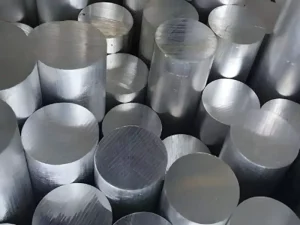
Aluminum 6061-T6511 differs from T651 in one respect: an additional straightening process. First, aluminum alloy 6061 is heated, then water-quenched. This step is common in all grades, i.e., T6, T651, and T6511. After quenching, T6511 undergoes a stress-relief (removal) process.
During this, the alloy passes through stretching machines that pull it lengthwise and relieve its stress. After stress relief, the alloy is aged by heating to around 160–180 °C. At this step, the aluminum is strong and hardened, with no internal stress. Its shape is not perfectly straight and may have bends.
Therefore, manufacturers add a straightening step that improves the shape of this alloy. Through straightening, we get aluminum bars. The straightening machines consist of rollers that press the aluminum alloy with the correct pressure. As a result, the aluminum does not crack and assumes a straight shape.
In summary:
T6 = Heated and quenched
6061 T651 = Heated, quenched, and internal stress removed (Relief)
Aluminum 6061 T6511 = Heated, quenched, internal stress removed, and straightened.
Differences Between Aluminum 6061 T6, T651 and T6511
The significant difference between these 6061 aluminum alloys is their heat treatments. As a result, the properties of these alloys differ, enabling unique applications. In the section below, I will discuss the key differences among these aluminum 6061 grades.
1- Stress Relief
As I mentioned earlier, these aluminum 6061 tempers differ in their heat treatments. T6 tempers undergo only heating and then cooling. This heating and cooling process produces stresses that are not removed in the T6 temper. Aluminum 6061 in T651 and T6511 tempers undergo an additional stretching process. This process removes the internal stresses of these aluminum alloys. As a result, both T651 and T6511 do not warp during machining. If you need material with stress relief, don’t choose 6061-T6.
2- Dimensional Stability & Machining
Internal stress in a material reduces dimensional stability. Such materials are also not a good option for machining or cutting. Aluminum 6061 T6 has internal stress, which reduces its stability. On the other hand, both the T651 and T6511 are very stable. Additionally, machining both of these alloys is easier. Why? The reason is that neither of these temperatures has internal stress. They undergo a stretching process that removes their stress.
3- Strength & Corrosion Resistance
The chemical composition of all three tempers is the same. They consist of magnesium, silicon, copper, and so on. So, their tensile strength is also 290 MPa. However, the T651 and T6511 are considered slightly more durable and perform better due to their stress removal. Additionally, all three alloys exhibit excellent corrosion resistance. This is because aluminum reacts with oxygen to form aluminum oxide. This oxide layer protects them from corroding or rusting.
4- Ductility & Formability
Ductility and formability are key factors, especially in machining. They refer to the ease with which the material bends and shapes, respectively. The aluminum T6 is generally ductile, softer, and can be bent easily. However, the T651 and T6511 are both more rigid and hardened. That’s because they undergo stretching and straightening processes that remove their internal stresses. So, they become more stable and are difficult to bend.
5- Warp Resistance & Durability
Warp resistance indicates how well a material resists stress. If it maintains its shape during machining, it is considered warp-resistant; conversely, if it warps during machining, it is considered warp-prone. T6 is not warp-resistant because it does not undergo the stress-relieving process (stretching). Both T651 and T6511 are resistant to warping because they are stress-relieved. Since all of these alloys have the same strength and composition, they are equally durable and long-lasting.
6- Cost & Applications
Aluminum 6061 T6 is the least expensive of the three alloys. This is because aluminum undergoes only heating and aging. It does not face both stretching and straightening processes. On the other hand, the T651 is slightly more expensive than the T6. That’s because this aluminum alloy undergoes an additional stress-relief process.
T6511 is the most expensive and premium due to its straightening process. Due to different heating treatments, these three tempers are used in different ways — from structural frames to custom metal hardware like brackets, CNC-machined components, and precision supports. Here is the table showing their applications:
| 6061-T6 | 6061-T651 | 6061-T6511 |
| Structural frames | CNC-machined plates | Long extruded beams, rods, tubes |
| Welded parts, panels | automotive components | Extruded spars, drive shafts |
| Chassis panels, mounts | Engine mounts | Architectural profiles |
| Boat fittings | Aerospace components, | Marine extrusions, |
| Brackets, supports | CNC parts, tools, dies | Extruded rods and bars |
Frequently Asked Questions
What is the difference between 6061-T6 and T651 vs T6511?
The difference among these grades is internal stress. 6061-T6 has internal stress, whereas T651and T6511 alloys don’t contain internal stress. Additionally, T6511 is straightened through the straightening machines.
What is aluminum T6511?
Aluminum T6511 is an alloy containing no internal stress and is straightened. They are passed through the straightening machines. These machines use rollers to straighten these alloys without cracking them. Additionally, Aluminum T6511 is hardened, durable, and less ductile.
Is 6061 T651 bendable?
No. Aluminum T6511 does not bend easily due to its heat treatment. Additionally, it also passes through the straightening process. So, this aluminum grade has no internal stress and is very stable. So bending and shaping this grade is very challenging.
Conclusion
Let’s conclude: Aluminum is a valuable material due to its corrosion resistance and affordability. Manufacturers add alloying elements to make it less soft. It undergoes a heat treatment process, which gives it excellent hardness and unique properties. Their heat treatment produces three distinct tempers. Those include Aluminum 6061 in T6, T651, and T6511 conditions. In this article, I’ve discussed the fundamental differences among these three temperaments. You should choose any of these tempers by analyzing your specific use case and their properties.