
Metal products have become part of our lives. From our household items to large machines, everywhere there is metal. But over time, the metal surface faces the problems of rust, wear, and corrosion. To resolve this issue, manufacturers apply various finishes. Among those, black oxide coating is one of the most favored and effective methods. But if you are new to this term, it might feel technical. Right? If so, worry not! This guide to Black Oxide Coating for Metal will make things easier for you. I will discuss what this finishing method is, how it works, its benefits, types, and limitations. So let’s get started.
What Is Black Oxide Coating?

Let’s first understand what the black oxide coating is.
Black oxide coating is a chemical treatment that creates a thin, protective black layer on the surface of metal. Unlike powder coating or paint, it does not sit on the top of the metal. Instead, it changes the entire outer surface of the metal itself through a chemical reaction.
In simple terms, black oxide coating is a chemical conversion coating process. Here, the metal reacts with special chemicals to create a dark black layer. Usually, you see that finishing processes like powder coating remain on the metal’s outer surface. They don’t chemically alter the metal’s surface. As a result, these methods often alter the metal’s size, shape, and thickness.
But that’s not the case with black oxide coating. In this process, the black layer is very thin and applied chemically, so the original size and thickness of the metal remain unchanged. As the black oxide layer becomes part of the metal, it does not peel off or deteriorate easily. That’s why this method has become the first choice for industries looking for clean, professional metal surfaces.
How Does Black Oxide Coating Work?
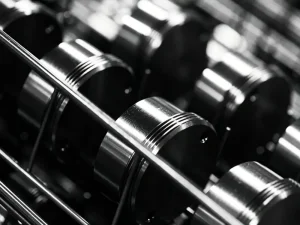
Black oxide coating is a complete chemical process that adds black to the outer metal surface. But it is not a one-step process; instead, it takes controlled steps. For example, the metal being coated is properly cleaned to ensure no residual dust or oil remains. For this cleaning, manufacturers generally use alkaline cleaners or acid-cleaning solutions.
After cleaning, the metal is dipped into a heated black oxide chemical bath. This bath basically contains a mixture of alkaline chemicals, oxidizing salts, and water. These chemicals are heated to high temperatures to allow them to react properly. When the metal piece is placed in this hot chemical bath, the reaction occurs immediately. How?
First, alkaline quickly starts cleaning the metal surface. At the same time, oxidizing salts such as nitrates and nitrites help the reaction of oxygen with the metal surface, forming the black coating. Due to these reactions, the top layer of the metal forms a black material called magnetite. This layer is not a permanent part of the metal surface. Once this layer appears, the metal is removed from the bath and rinsed with water.
In the last step, manufacturers often apply oil or wax to this coated surface. Why? Because the black oxide layer has tiny pores that can hold oil. The oil fills these small spaces and helps protect the metal from moisture, rust, and friction. Also, this oil layer gives a smoother finish and enhances its durability.
Some Common Types of Black Oxide Coating
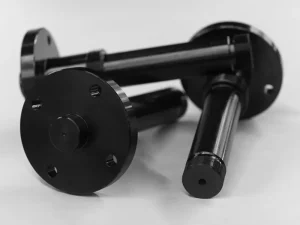
Remember, black oxide coating is not made using only one process. Instead, industries use different types of black oxide treatments as per their needs. These coatings vary in temperature range, durability, and cost. So let’s discuss the most common types of black oxide coating and their specifications.
1- Hot Black Oxide
It is the most widely used coating treatment that I have discussed above. In this process, metal parts are dipped into a very hot chemical bath containing certain chemicals. Here, bath temperatures are typically 135°C to 150°C. Such high heat instantly starts a reaction and permanently alters the outer metal layer. This type of black oxide coating is known for its durability and deep black finish that looks very attractive. You can often see hot black oxide coating on gears, machine parts, screws, tools, and fasteners.
2- Cold Black Oxide
Secondly, there is a cold black oxide coating, a simpler, lower-temperature version of black oxide. Unlike hot black oxide, this process does not use extremely high heat. Instead, the metal is treated with chemical solutions at room temperature. During this coating, the reaction starts slowly but proves very beneficial in terms of affordability. As there is no use of high heat, energy is saved in large amounts. The cold black oxide process creates a black surface color, but it is not very deep. That’s why it’s mainly used for touch-up work.
3- Mid-Temperature Black Oxide
Mid-temperature black oxide is designed to work between hot and cold black oxide processes. As the name suggests, the temperature is moderate, lower than hot black oxide but higher than cold black oxide. It means the oxide layer’s durability lies between the hot and cold black layers. The chemical conversion takes place, but not to that extent. Over time, that layer might deteriorate if you do not handle it properly. The main advantage of mid-temperature black oxide is a balance between performance and efficiency. You get a semi-permanent black oxide layer on metal at an affordable price.
Metals That Can Be Black Oxide Coated
Black oxide coating works for a wide range of metals. But know that not all those metals react in the same way. Some might develop a very durable layer, while others might not, so they require extra treatments. So let’s discuss each metal one by one and see how each can be black oxide-coated.
-
Steel
Steel contains a large amount of iron. That’s the reason it reacts very well during the black oxide process. The chemical treatment quickly converts the steel’s outer layer into black iron oxide, giving a matte, dark finish.
-
Iron
Another metal that works very well with black oxide coating. As I said above, this process is all about the chemical reaction of iron and oxygen. During the reaction, the iron surface turns black, forming magnetite that becomes part of the metal itself. There is no need for extra treatments. In one go, iron gets a deep black coating.
-
Aluminum
Aluminum can also receive a black finish, but the process is different. How? Actually, aluminum does not react the same way because it contains little or no iron. So manufacturers have to use special blackening or anodizing processes to get the black finish.
-
Stainless Steel
Stainless steel can also be black oxide coated. However, it usually requires a more complex chemical process rather than a simpler one. Basically, stainless steel contains chromium, which naturally protects it from rust. Because of this protective layer, the metal needs special black oxide solutions that don’t harm its chromium coating.
-
Copper
Copper can also develop a black oxide finish through chemical treatment. The copper surface reacts with the same chemicals and forms a dark oxide layer. But that layer looks more like aged metal, which makes it more popular.
-
Brass
Brass is a metal alloy made mainly from copper and zinc. All these alloying metals can easily react with the chemicals used in black oxide coatings. The process darkens the surface, giving brass an elegant black or antique look.
-
Bronze
Bronze can also be treated to create a black oxide finish. Bronze is mainly made from copper and tin. That’s why it reacts differently from steel but can still develop a dark surface through that treatment.
Benefits of Black Oxide Coating
Black oxide coating has become a favorite process among several industries. It is the way to achieve a metal surface that looks shiny and reflective and is also chemically improved. But that’s not all. Let’s explore more reasons that actually make this process stand out from all other finishing methods.
1- Improves Corrosion Resistance
The first main thing that truly makes the black oxide coating best is that it improves the corrosion resistance of the metals. Generally, metals that contain iron are more likely to corrode when they come into contact with moisture or air. However, this black oxide layer, when it becomes part of the metal surface, acts as a barrier. This barrier prevents moisture from entering the metal, which is the main cause of corrosion. Also, during this process, oil or wax is applied to the tiny pores, which adds an extra protective layer.
2- Maintains Part Dimensions
There are several metal parts, like connections and fasteners, that need to fit properly. If there is slight dimensional misalignment, these parts might not fit or perform properly. On the other hand, methods such as coating and galvanizing often alter the size and thickness of metal parts. But when it comes to black oxide coating, it gives a very thin layer. As a result, there is no change in the dimension (size, shape, or thickness) of the original metal part. That part can now perform equally well without any misalignment issues.
3- Reduces Light Reflection
Black oxide coating creates a dark matte surface that reduces glare and light reflection. Basically, several metal products must have no reflective surfaces for better visibility. For these parts, the reflective surface can create visual discomfort. That’s why black oxide coating plays its role. It gives a dark matte finish that quickly absorbs light and prevents it from reflecting.
4- Attractive Appearance
Besides practical benefits, black oxide coating is also handy in giving an attractive look. As I said above, it gives a consistent matte black finish that naturally feels modern, polished, and high-quality. That’s why architects often choose black oxide coating to improve the visual appeal of their art. Manufacturers use it for decorative metal parts such as furniture fittings, handles, and artistic items.
5- Cost-Effective Finishing
Lastly, black oxide coating proves cost-effective in many ways. First of all, it is a very easy process that doesn’t require expensive chemicals like other methods do. Alkanes and oxidizing agents are readily available, reducing their cost. Moreover, this process is very fast, due to which the manufacturer can coat several products at a time. This further reduces the overall cost for mass production. Lastly, this process applies a very thin, yet permanent, layer of chemicals. This reduces the material needs and waste. Also, it helps get many benefits like durability, corrosion protection, and a finished look in one treatment. This reduces the cost of extra treatments.
Limitations of Black Oxide Coating
No finishing method for metal is perfect in all respects. Like other methods, the black oxide layer also has some shortcomings. So before you choose it for your project, know the other side of the picture as well.
- Limited Rust Protection: One major drawback of the black oxide coating is its moderate rust protection. As you know, the black oxide layer itself is very thin. So it cannot fully block moisture, air, or harsh chemicals from reaching the metal effectively. That’s why continuous exposure to moisture often damages this layer.
- Wear Over Time: The thin nature of the oxide layer is also a durability drawback. When this metal is used repeatedly, the rubbing and scratches can highly affect the oxide layer. So it slowly wears away and is removed from the metal.
- Regular Maintenance: The black oxide layer is not a heavy-duty coating. Therefore, it requires regular maintenance to stay protected. For example, you have to apply oil and wax layers from time to time. Proper cleaning and storage are also important, as dirt and chemicals can damage it.
- Limited Color Options: Lastly, this method does not offer a wide variety of color choices. Black oxide coating mainly produces dark black or slightly dark gray finishes. There are no additional options besides these two. So if you are working on customized or decorative metals, it will not be a good choice.
The Versatility of Black Oxide Coating: Industrial Applications
Due to its wide range of benefits, black oxide coating is a preferred choice for many industries. They use it to achieve durable, long-lasting, visually appealing finishes. For a deep understanding, below is the table showing the main industries that heavily rely on black oxide coating.
| Industry | Common Uses |
| Automotive | Gears, bolts, engine parts |
| Tools & Hardware | Wrenches, drill bits, screwdrivers |
| Firearms | Barrels, slides, frames |
| Medical Equipment | Surgical tools, clamps |
| Aerospace & Defense | Fasteners, small parts |
| Electronics | Connectors, housings |
| Decoration | Handles, furniture fittings |
Frequently Asked Questions
How Long Does Black Oxide Coating Last?
The lifespan of the black oxide coating depends on where and how it is used and maintained.
It can last for many years if the metal is used in normal indoor conditions with proper care.
Is Black Oxide Coating Environmentally Friendly?
Yes, black oxide coating is somewhat more eco-friendly than heavy coating, as it does not add thick layers of harmful materials. But it still uses chemical solutions that require proper handling to protect the environment.
Can I do a black oxide finish at home?
Yes, you can, but it is not recommended for beginners. You can find DIY black oxide kits available in the market. But the process involves chemicals that need careful handling and safety equipment that might not be available at home.
Conclusion
Black oxide coating is one of the most effective ways to get a matte black finish on different metals. It is a chemical treatment process in which special chemicals alter the metal’s surface, giving it a black finish. This black layer is not just about appearance; it also offers several benefits. It protects the metal from corrosion, maintains its dimensions, and reduces reflections. That’s why black oxide coating has become part of industries from automotive to electronics, and even decoration. But remember, along with these pros, there are also some cons. Always keep both sides in mind, then choose the one that works best for your metal project.