
Welding and soldering are two common ways to join pieces of metal or other materials. Both processes use heat, but they are very different processes. Additionally, their working mechanism and results are not the same. These differences make people debate welding vs soldering. Here is a brief introduction to these two processes:
Welding and soldering create a joint between metal parts. Welding uses very high heat to melt the materials themselves, which then cool and become one solid piece. Soldering, on the other hand, uses lower heat to melt a filler metal called solder. It sticks the part together without melting the workpiece (material to be joined).
Some people consider welding and soldering as the same, which is wrong. Solder requires less heat and creates a bit weaker joint as compared to welding. In this article, I will explain the differences between welding and soldering. Reading this article will help in understanding the actual value of these two techniques. So, let’s begin!
Difference Between Welding and Soldering
Welding and soldering may look the same, but they are very different. In welding, the metal pieces melt and join together. This makes a strong bond. In soldering, only the filler metal melts, but the main pieces do not melt. Below are 10 key differences between these two methods.
1- Process Temperature

Welding uses much higher temperatures than soldering. Welding uses high temperatures, but each type of welding method has its heat level. In welding, the metal pieces melt and mix to form a strong bond. These high temperatures can go over 3000°C, depending on the type of metal. This makes welding good for strong metals like steel and aluminum.
Soldering uses much lower heat. It only needs temperatures between 180°C and 450°C. Metal pieces do not melt during soldering. Instead, a filler metal melts and sticks them together. This lower heat is safer for delicate work, like electronics or plumbing. It helps protect small or heat-sensitive parts from damage.
2- Materials Involved
Welding uses the base metals themselves to form the bond. The metal pieces are melted, and sometimes a filler metal is added to facilitate joining. Common materials used in welding include steel, aluminum, and stainless steel. This method is best for heavy-duty jobs where a solid and lasting connection is needed.
Soldering uses a separate filler metal that melts at a lower temperature. The base materials do not melt. Instead, the melted filler metal, like lead-based or lead-free solder, holds the parts together. Soldering is better for small and delicate projects, such as electronics. For example, it is often used to join copper wires on a circuit board.
3- Applications
Welding is a critical part of metal fabrication. It is common in industries like construction, shipbuilding, and car manufacturing. Welding is perfect for joining large metal components, such as steel beams in buildings or parts of vehicles. These projects need long-lasting bonds that can handle heavy loads and stress.
Soldering is used for more delicate work. It is often found in electronics, jewelry making, and plumbing. Soldering is excellent for connecting wires on a circuit board or joining small metal parts like copper pipes. These tasks don’t need high strength, but they do require precision and care.
4- Skill Level
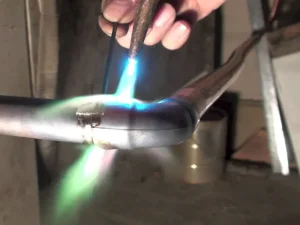
Welding takes more skill and training. It involves working with very high heat and melting metal, which can be dangerous. Welders must learn how to make clean joints that are also strong and follow safety rules. Many welding jobs require special training or certification to make sure the work is done safely and correctly.
Soldering is easier to learn. It uses lower heat and doesn’t melt the base metals, so it is safer and less complex. Soldering is often used by hobbyists and people who work with electronics. It is a good starting point for learning how to join materials without needing advanced skills. It gives you more control, making it perfect for small projects.
5- Strength of Bond
Welding makes a powerful bond. Since the base metals melt and mix, the joint can be as strong as the metal itself. This is why welding is used in big jobs like building bridges or machines. It is great when you need strength and durability. Welded joints can handle heavy loads and stress without breaking.
Soldering makes a weaker bond. The base metals do not melt. Instead, a softer filler metal holds them together. This is fine for smaller tasks where strength isn’t the primary goal. Soldering works well in electronics, where a safe electrical connection matters more than a firm hold. Soldered joints are not meant to support much weight or pressure.
6- Health and Safety
Welding has more safety risks. It uses very high heat, which can cause burns and sparks. Welders must wear protective gear like gloves, goggles, and face shields. Welding also produces harmful fumes. Always work in a well-ventilated area or use special ventilation equipment to stay safe.
Soldering is safer, but still needs care. It uses lower heat and is less likely to cause serious injuries. However, soldering can still release fumes, especially when using lead-based solder. It is essential to work in a space with good airflow and to avoid touching hot tools or melted solder. Even though it is less dangerous, careless soldering can still cause burns or breathing issues.
7- Equipment Used
Welding uses larger and more complex tools. Standard equipment includes welding machines, torches, and electrodes. The type of tools depends on the kind of welding being done, like MIG, TIG, or Stick welding. You often need to choose between laser welding and TIG welding in advanced metalwork. All welding tools are designed to create very high heat to melt and join metals.
Soldering uses smaller and simpler tools. The primary tool is a soldering iron, along with solder wire and flux. The iron heats up just enough to melt the solder, not the base materials. Soldering tools are easier to use and are perfect for small or detailed projects like electronics or crafts. They are also easy to store and set up, making them great for home or hobby use.
8- Cost of Equipment
Welding equipment costs more. A welding machine can be costly, often costing hundreds or even thousands of dollars. The price goes up if you need special tools for different types of welding, like MIG or TIG. You also need safety gear such as gloves, helmets, and protective clothing, which increases the total cost.
Soldering tools are much more affordable. An elemental soldering iron, solder wire, and flux can be bought for a low price. This makes soldering an excellent choice for hobbyists or anyone working on small projects. The low cost and simple setup make it easy to get started without spending a lot of money.
9- Durability and Maintenance
Welded joints are strong and long-lasting. They can handle high heat, pressure, and mechanical stress. That’s why welding is used in heavy-duty projects like buildings, bridges, and vehicles. Once a joint is adequately welded, it stays stable for many years and usually needs very little maintenance.
Soldered joints are less durable. They can weaken over time, especially if exposed to heat, movement, or stress. This makes soldering better for low-stress jobs like electronics. In some cases, soldered joints may need to be checked, repaired, or redone to keep them working well.
10- Ease of Taking Apart
Welded joints are permanent. Once two pieces are welded together, taking them apart is very difficult. You often need to cut or grind the metal to separate it. Because of this, welding is not a good option for projects where disassembly might be required in the future. The strong bond is excellent for long-term use, but it limits flexibility.
Welded parts are meant to stay joined for life. Soldered joints are easier to take apart. In electronics or minor repairs, you can simply reheat the solder and separate the pieces. This makes it easy to replace or fix parts without damaging them. Soldering is a good choice when you need to make changes or upgrades later. It also allows for quick fixes without using heavy tools.
Frequently Asked Questions
What is the difference between solder and welding?
The significant difference between solder and welding is the melting of the filler. In soldering, the filler material undergoes melting instead of the workpiece. The molten filler then creates a joint on the workpieces. Welding generally involves the melting of both filler and workpieces. Soldiering is easier and requires less heat than welding.
Can soldering be used to weld?
No. Soldering is different from welding. Generally, the welding creates the weld. Soldering only melts filler and makes a joint between two pieces. However, its created joints are not as strong as those you get with the welding process. So, soldering cannot be used as an alternative to welding.
Is soldering easier than welding?
Yes. Soldering requires very low heat or temperature (almost 50% less than melting). Achieving this lower temperature is easier, making soldering more effortless. Additionally, it uses simple tools and equipment, which is an advantage. Welding is a more complex process, but it creates a strong joint between pieces.
Concluding: Should You Opt for Welding or Soldering?
The selection of these two metal joining techniques depends on individual needs. Additionally, the ease of operation is something that affects their selection.
I highly recommend choosing welding if you want a strong weld. It uses higher heat and melts both filler and joining material. So, the molten filler merges with the workpiece, and you get a strong weld on the material. However, its higher pricing and operational complexity can be a hurdle, especially for newbies.
If you’re a newbie and avoid complex processes, you should use selling. This process uses minimal heat and melts only filler material. This filler then creates a joint on the workpiece. Remember, soldering is cost-effective and very easy to do as compared to the welding process. In this article, I’ve discussed their prominent distinctions. You must consider these differences before making a final decision.