
Galvanized steel is known for its excellent corrosion resistance. Right? It ensures that parts made of this material stay protected even in damp or salty conditions. However, welding galvanized steel is considered less safe. Therefore, many ask: Is welding galvanized steel dangerous?
Yes – welding galvanized steel is unsafe, especially if it is not cleaned correctly. The zinc coating applied during galvanizing is the main problem. When exposed to high temperatures during welding, it vaporizes, producing fumes. In this article, I’ll discuss everything about welding galvanized steel. So, let’s begin!
What is Galvanized Steel?

Before we go deeper, let’s first understand what galvanized steel is. Having a basic understanding of this material will help you learn why its welding is unsafe.
Galvanized steel is not a special type with a different composition. Instead, it is regular steel (in terms of composition), but it has a zinc coating. This zinc coating protects the steel from corrosion. The steel is coated with a layer of zinc during the galvanizing process. This coating enhances the longevity of steel.
In this process, the steel is dipped into molten zinc under controlled conditions. During dipping, zinc comes into contact with the steel’s surface, forming a layer on it. This zinc layer, upon cooling, becomes part of the steel and protects it from corrosion. It is noteworthy that zinc performs excellently in terms of corrosion resistance.
The zinc coating transfers its corrosion resistance to the steel. Are you wondering how zinc coating is applied to steel? That’s where the galvanizing process comes in, which gives this coated steel its name, ‘Galvanized Steel’. The use of this process to apply zinc coating on steel is widespread. You’ll see many outdoor steel products with this coating.
The best examples of galvanized steel include pipes, frames, fences, and more. Galvanized steel provides excellent corrosion protection at a very affordable price. Remember, this material is way cheaper than many other metals. Additionally, this steel type is readily available, making it an excellent option for many projects.
Is Welding Galvanized Steel Dangerous?
Yes, welding galvanized steel is dangerous and unsafe if done carelessly. It can cause breathing issues if welders use this material for extended periods. This is because welding galvanized steel releases zinc oxide fumes. Inhaling these fumes can cause several respiratory problems.
Despite this, welding galvanized steel is common across many industries. Welders wear special helmets or air respirators. These respirators significantly reduce the risk of inhaling fumes. How? The reason is that welders take fresh or filtered air from the respirators and don’t inhale those fumes. This makes it possible to safely weld galvanized steel.
Why is Welding Galvanized Steel Dangerous?
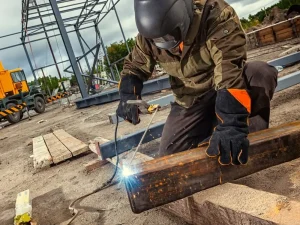
As I said earlier, galvanized steel has a zinc coating. This zinc coating is the real reason this steel type is dangerous to weld.
During welding, the temperature on the welding spot becomes too high and melts the piece. Right? The temperature keeps rising, reaching 1500 degrees Celsius. During this process, the zinc coating present on the steel surface deteriorates. At high temperatures, this coating vaporizes, forming zinc fumes.
As the welder is near the weld, these zinc oxide fumes are drawn toward the welder. If the welder inhales these zinc oxide fumes, it can cause various health problems, especially respiratory issues. Among those, metal fume fever is a common health issue that welders can develop from inhaling zinc oxide fumes. Confused about fume fever?
Remember, the fume fever is not typical. Instead, it is more of a respiratory problem, with welders experiencing headaches, muscle pain, mild flu-like symptoms, and so on. However, these issues can be resolved once the welders breathe fresh air for a few hours. However, if the welder keeps inhaling fumes for longer, these problems can get worse.
That’s the primary reason you’ll see welders prefer a ventilated space when they create weld galvanized steel. In the well-ventilated area, the fumes are dispersed in the air. In this way, they are less likely to cause health issues for welders. Additionally, welders get fresh air through ventilation and don’t just inhale fumes.
How to Weld Galvanized Steel Safely?
Although welding galvanized steel is dangerous, there are safety measures to minimize the risk. In fact, in some cases, you can ensure 100% safety when welding your galvanized steel pieces. In the section below, I’ll discuss some practical tips that make this welding safer.
1- Remove the Zinc Coating
As discussed above, the zinc coating is what makes welding galvanized steel hazardous, right? You should remove the zinc coating from galvanized steel before welding. Remember, you don’t need to remove the coating from the whole piece. Instead, remove the coating only at the spot where you want to weld.
In this way, you will avoid vaporizing the zinc coating. As a result, there won’t be any zinc oxide fumes, making the welding process safer. Are you confused about how to remove zinc coating from the steel surface? For this, you should use the grinder and remove the zinc coating with ease. Remember, once the coating is removed, you should clean the steel surface before welding.
2- Don’t Weld in a Confined Workspace (Prefer Ventilated Space)
Does your welding area or workshop have limited space? If so, you should not weld the galvanized steel in that area. Why? The reason is that zinc fumes will accumulate in smaller spaces. They won’t have an open area or ventilation to go out.
As a result, you’ll inhale only fumes instead of fresh air. This will cause serious health issues, and you may experience difficulty in breathing right away. I recommend moving the equipment outside when welding galvanized steel. This is an additional hassle, but it will reduce the safety risk of welding this galvanized steel.
3- Wear the Right Respiratory Protection
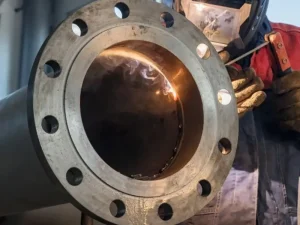
I highly recommend using proper respiratory protection when welding galvanized steel. As you know, zinc oxide fumes are harmful when they are inhaled. It means these fumes affect welders’ respiratory systems. So wearing respiratory protection, such as an air respirator, can reduce the risk. You might think about the regular masks used in welding.
You should not use that mask as it does not stop the fumes. Instead, you should use dedicated respirators when welding galvanized steel. These respirators are made for this welding and filter the air (remove the fumes). In this way, you don’t inhale the fumes, which helps keep you safe. Additionally, you should use routine welding safety equipment, i.e., gloves, etc, during this welding process.
4- Use Lower Heat During Welding
Many welders keep the heat setting too high when welding galvanized steel. This is a big mistake, especially when you want to prevent fume inhalation. When the heat setting is on low, the lower heat is applied to the galvanized steel. So, the zinc coating vaporizes slowly, producing fewer fumes at once.
These small amounts of fumes can disperse in the air. However, if you keep the heat setting high, this provides intense heat to the weld spot. As a result, the zinc coating vaporized quickly, releasing large amounts of fumes. Such high quantities of fumes don’t disperse in the air. As there are more fumes, the risk of welders inhaling them is high.
As a result, welders inhale those fumes and can get breathing issues. Remember, keeping the heat setting low during galvanized steel helps prevent burning through. Are you dealing with galvanized steel of higher thickness? In such a case, you have no option but to use a welder with a higher heat setting.
5- Use a Fan in the Weld Area
Have you ever seen welders welding while keeping the fan running? That’s very helpful, as those fans blow the fumes away. This strategy is useful when you’re welding galvanized steel. You should keep the fan behind you during welding.
In this way, when fumes are produced, the air from the fan will carry them in the opposite direction. So, the fumes won’t blow toward you, and you’ll also inhale fresh air from the fan. If you don’t have a fan, you can also use an air blower during galvanized steel welding. Remember, you should ensure you keep the weld pool away from the airflow for the best weld quality.
Frequently Asked Questions
Do you need a respirator to weld galvanized steel?
Yes, you’ll need a respirator when welding galvanized steel. Using this respirator ensures you receive filtered air rather than inhaling zinc oxide fumes.
Can welding be done on galvanized steel?
Yes. The steel itself can be welded easily, but the zinc coating causes problems. During welding, zinc oxide fumes will be produced, which you must not inhale. These fumes are the only problem you’ll be facing during this welding.
What are the symptoms of galvanized poisoning from welding?
One of the prominent symptoms of galvanize poisoning is fever and difficulty in breathing. Apart from that, you’ll also face nausea, pain in the body, and vomiting (in severe cases).
Conclusion
Many think that welding galvanized steel is not possible, which is absolutely wrong. You can make a strong weld on all types of steel, including galvanized ones. However, the problem you’ll be facing when welding galvanized steel is the emission of fumes.
As I said earlier, galvanized steel has a zinc coating that vaporizes during welding. So, zinc oxide fumes are produced, and inhaling them can be unsafe. I strongly recommend you remove this coating before welding this steel type. Apart from that, I’ve also discussed some practical tips to avoid inhaling those fumes.