
Porosity is one of the most unwanted things in welding. In fact, welders hate it, especially when they are in a hurry. Why? The reason is that porosity makes the weld weaker and more prone to cracking. But the question is: What is porosity in welding? You can only avoid porosity if you understand its basics.
Interestingly, porosity is not caused by a single reason. I consider this issue to be more common due to the negligence of the welders. For example, if welders fail to clean the welding spot before welding, this issue becomes more common. In this article, I will explain everything about porosity, including its reasons and key preventive measures.
What is Porosity in Welding?

In the previous article, I discussed the basics of welding. However, this article is more about the common issue (porosity). Welders face this challenge during the welding and soldering processes.
Porosity issues occur when a weld is created on metal pieces. It refers to the presence of small pores (holes) or bubbles filled with gases on the surface of welds. These tiny holes make the weld look ugly (less smooth) and weaken it as well. As a result, the weld becomes prone to cracks and degrades quickly.
There are different types of porosity. Those types differ from each other in terms of how they affect the welding. For example, surface porosity causes small holes or gas bubbles on the surface of welds. These pores are visible to the naked eye. Welders generally grind the gas bubbles if they are visible on the surface.
On the other hand, some subsurface porosity affect welding in different ways. In these types, the tiny holes or gas bubbles are present inside the surface of the welds. They are not visible, so they remain there for a long time. Eventually, they cause damage or cracking of the welds. Some other types of porosity are as follows:
- Pit Porosity
- Cluster Porosity
- Uniform Porosity
- Wormhole Porosity
Is the porosity issue really bad for welding? The answer is YES! Pores or cavities present on the weld weaken it and cause it to deteriorate over time. Additionally, tiny holes, either a few or clustered, make the weld appear unappealing. Therefore, welders strive to minimize these porosity issues. If this happens, they fix it immediately to ensure the longevity of the weld.
Causes of Porosity in Welding
As I mentioned, porosity is primarily characterized by bubbles filled with gas that remain within the weld. Right? These bubbles later turn into pores, or tiny holes, which weaken the weld. However, some more avoidable reasons contribute to porosity. In the section below, we will discuss the key causes of porosity in welding.
1- Uncleanliness of Base Metal
Sometimes, the part you’re welding is uncleaned and has contaminants on it. Those contaminants include dirt, grease, oil, and other debris. During welding, these contaminants undergo burning. As a result, they release some gases that remain trapped inside the molten material during welding.
Those gases include hydrogen, oxygen, carbon dioxide, and so on. These trapped gases make bubbles and cavities inside the welds. However, if you clean the base metal before welding, this issue can be prevented easily. When there are no contaminants, there won’t be any gases to be trapped inside the weld.
Quick Highlight: If your metal base is not cleaned before welding, it is likely a mistake on the part of the welder. In fact, I consider it a crime on the part of the welders. If you’re a customer, you can remind the welder to clean the weld spot before starting the weld. In this way, you won’t see porosity issues that would have been caused otherwise.
2- Improper Shielding Gas
In welding, shielding gases play a vital role. Right? These gases are used in almost all welding techniques, including TIG and MIG. They prevent air contamination during the welding process and make it safe. However, if this shielding gas is not provided evenly, it can cause porosity in the weld. Suppose you provide a high amount of shielding gas.
Due to this, the shielding gas is introduced into the molten material during welding. It will be trapped inside the weld and later cause porosity. Similarly, too low a shielding gas pressure is inadequate. So, those gases react with oxygen or nitrogen, creating a mixture. This mixture of gases, when used during welding, causes porosity.
3- Surface Coatings (Paints)
Surface coating is popular in modern fabrications. Right? It helps prevent rusting and corrosion on the part or object. Almost all the manufacturers apply a thin layer of paint to make it more long-lasting. However, when that specific part requires welding, the same paint coat poses a serious hazard. How? When a part undergoes welding, the paint is exposed to heat.
As a result, it burns and releases some chemicals and gases. Common examples of these include carbon dioxide and hydrogen. These gases cannot escape, so they remain inside the weld pool. When the weld solidifies, these gases form bubbles, which can affect the quality of the weld. If you’re welding the painted part, you must remove the paint layer from the part. In this way, you’ll be able to avoid porosity issues.
4- Moisture & Humidity
Both moisture and humidity can also cause porosity during welding. Sometimes, the metal piece you’re welding can have moisture on it. During welding, the moisture present on metal pieces turns into hydrogen gas. So it cannot escape and remain inside the weld pool.
When the weld solidifies, this hydrogen remains inside the weld. These bubbles filled with gas affect the quality of the weld. If the bubble is on the surface, it can be ground. However, it is inside a weld, and it later bursts, creating tiny holes. These holes or cavities make the weld very weak and prone to breaking when exposed to stress.
5- Welding Technique (High Current) and Metallurgical Factors
Interestingly, welding techniques also play a key role. You’ll generally see no porosity issues if welders have experience and vice versa. I recommend welding at a balanced speed. Welding speeds that are too low or too high can lead to porosity issues.
Additionally, the welding current is another factor that requires attention. If the welding current is too high, it will cause the weld pool to become extremely hot, akin to boiling water. Due to this, the gases won’t be able to escape and will be trapped inside the weld. Additionally, low welding current will also affect the welding process.
How can we forget the properties of individual metals? Some metals are easier to weld than others. For example, aluminum and magnesium absorb the gases. These absorbed gases can later lead to porosity issues. Therefore, you must pay attention to the properties of metal before welding. Therefore, some pre-welding techniques should be followed when welding sensitive metals.
How to Fix Porosity? Fixes
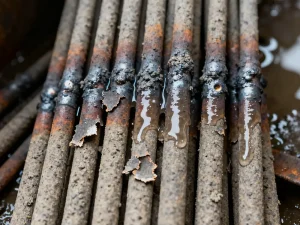
Have you got a part with porosity on the weld? That’s unfortunate to hear, as porosity can significantly impact the quality and overall strength of the welding. However, you can fix the porosity issues and still make the part usable.
For this, you will need to first remove the weld section with porosity. Do you see bubbles rise on the surface of the weld? If so, you should use a grinder and grind this bubble carefully. Once the bubble is removed, chances are high that you won’t have any more pores or cavities. If there are no tiny holes at the spot where the bubble was, it means the porosity issue has been resolved.
However, in some cases, you’ll still see pores and holes in place or bubbles. You will cut that section where you see cavities, tiny holes, or small air pockets. Continue cutting until you no longer see any holes. That’s the point where porosity issues end. You can then clean the area and reweld the part with proper care to avoid porosity issues again.
What to do if one faces subsurface porosity? In such cases, pores or holes are generally not visible. Right? In such cases, welders inspect the surface using ultrasonic or X-ray testing. This gives the exact location where porosity is present inside the weld. The welder cuts the whole affected section and rewelded it. This way, the weld will last longer and not crack.
How to Prevent Porosity in Welding?
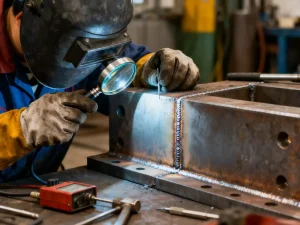
Porosity defects are real and can cause serious issues with the weld. Right? However, there are some precautions that you must consider. In the section below, I provide some tips to prevent this weld issue.
1- Prepare before Start Welding
First, you must give yourself time to prepare before starting welding. Preparation includes cleaning the parts (to be welded) and choosing the correct welding technique. It also involves making the proper adjustments to the welder machines. Cleaned metals are less likely to get porosity issues during welding. Similarly, selecting the correct welding parameters, such as heat and voltage, will also prevent this issue. Remember, high-current welding is a significant contributor to welding hazards.
2- Use Dry Electrodes and Filler Wires
You should never use electrodes, filler wires, or metal pieces that are moist or wet. Remember, moisture can turn into hydrogen gas during welding. This gas can later trap inside the weld and cause porosity. Use dry electrodes and metal pieces to create a strong weld. Do your metal pieces have some moisture? I recommend placing this in a dry oven to remove all moisture and ensure it is 100% dry before welding.
3- Remove the Surface Coating if There is Any
As I said earlier, paint, when burned, releases gases. These gases cannot escape during welding and remain trapped inside the weld pool. When the molten weld solidifies, these gases become part of it in the form of bubbles within the material. These bubbles affect the strength and quality of the weld. Therefore, you must remove the surface coating before starting the welding process. Removal of the surface coating makes a significant difference, especially when creating a weld on the joints.
4- Balanced Shielding Gas
Shielding gases are beneficial in all welding techniques, including laser and TIG procedures. However, if these gases are released at extremely high or low pressure, they can cause issues with the welding. For example, too high pressure can cause elongated holes (wormholes) on the surface of welds. Similarly, using a shielding gas that is too low can expose the weld to air contamination. You should maintain a balance of shielding gas during welding to prevent porosity defects.
5- Never Ignore Material’s Behavior
I highly recommend paying attention to material properties during the welding process. Remember, each material behaves differently when exposed to heat. For example, aluminum can absorb gas during welding and is more prone to porosity than other materials. Therefore, you should understand the properties of the material and then use the correct technique to create the weld. Here is a table showing the ease of welding of different materials:
| Material | Ease of Welding | Chances of Porosity |
| Mild Steel | Easy | Low |
| Stainless Steel | Moderate | Medium |
| Aluminum | Difficult | High |
| Magnesium | Difficult | High |
| Cast Iron | Very Difficult | High |
| Nickel Alloys | Moderate | Medium |
| Titanium | Difficult | High |
Frequently Asked Questions
What is a porosity defect?
Porosity is a serious issue caused by the trapping of gas inside a weld pool. It leads to small holes or cavities either on the surface or inside the welding spot. It can make the weld weaker and make it prone to cracking and degradation.
How to detect porosity in welding?
You can detect the porosity by inspecting the surface of the welding. If you see small holes, bubbles, or cavities, it indicates that the weld has porosity, and vice versa. If you notice porosity, take steps to remove it to ensure the weld is long-lasting and durable.
How do you repair porosity in a weld?
Repairing porosity is a challenging task. You will grind the bubbles and remove the weld section, which has pores and cavities. After that, you’ll need to re-weld the surface to ensure it remains stronger in the long run.
Is porosity very bad for the welding process?
Yes. Porosity is very bad for welding. It makes the weld very weak and makes it look unappealing (from a visual point of view). Welds with porosity will get damaged when exposed to stress. In fact, the welding can even develop cracks if not exposed to stress and not properly maintained. There is no point in having a weld if it needs care for its life.
Conclusion
Porosity is a severe problem and generally results from negligence in the welding. When welding is done carelessly, small gas bubbles remain on the weld. These bubbles sometimes burst, leading to small pores or tiny holes.
These holes can be either clustered or spaced at some distance from each other. If welders follow the correct welding etiquette, this issue can be avoided. Remember, porosity not only weakens the weld but also affects the visual appeal. In this article, I explained the basics of porosity, its causes, and how it can be prevented to ensure better welding.